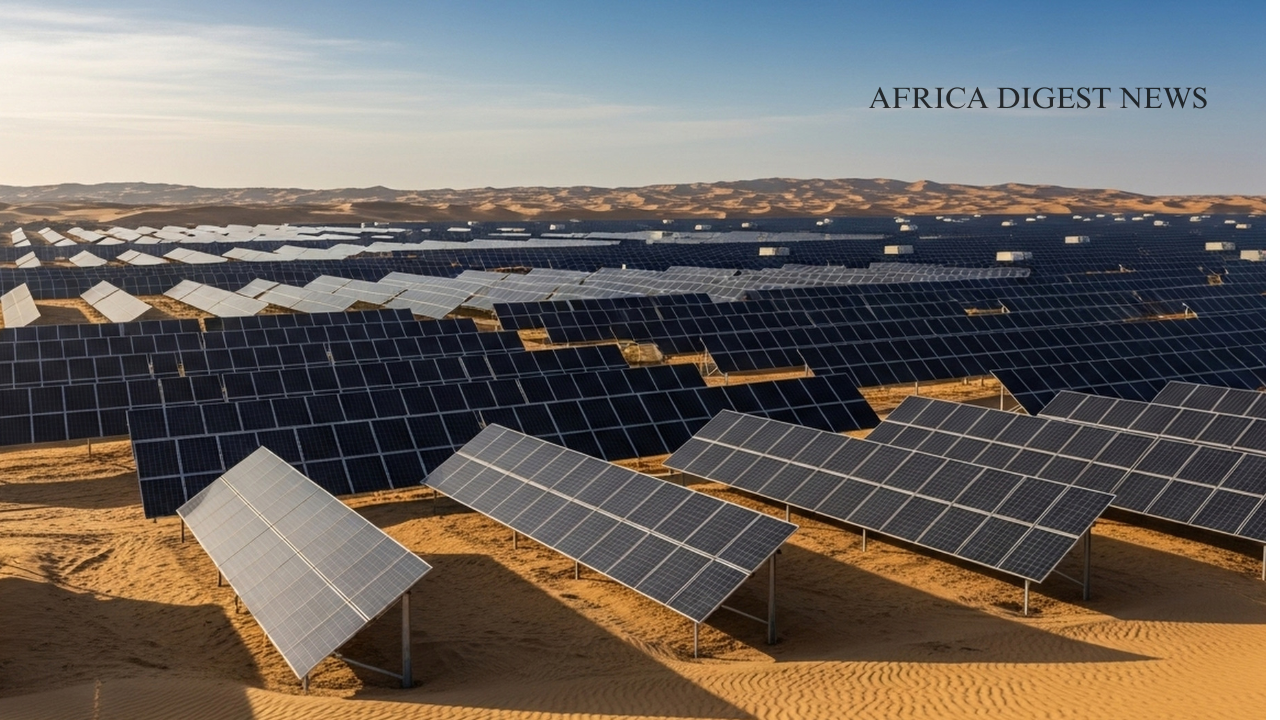
The African Development Bank (AfDB) has approved $5.65 million to support solar mini-grids in the Central African Republic, Chad, Nigeria, and the Democratic Republic of Congo.
On the surface, this looks like another standard development grant. But the mechanism behind it, a repayable grant through the Sustainable Energy Fund for Africa (SEFA), points to a shift in how energy projects are funded in markets where traditional commercial debt is out of reach.
The total program size, matched by the Nordic Development Fund, stands at $11.3 million. It is designed to solve a specific, persistent problem: the lack of hard currency in countries with low electrification rates. For developers in these regions, securing the upfront capital to build a small-scale power grid is often an impossible hurdle.
The core of this initiative is a model that allows developers to monetize renewable energy certificates (RECs) generated by their grids. These certificates represent the environmental value of the clean energy produced. By selling these certificates in advance, developers can secure the capital needed for construction or expansion without waiting for years of revenue from local customers who may have limited ability to pay.
Read Also: AfDB’s P‑REC Facility Unlocks Capital for Mini-Grids in Conflict Zones
This approach turns a future environmental benefit into immediate cash. It bridges the gap between global demand for renewable energy credits and the local need for physical infrastructure. For the developers, it removes the reliance on high-interest commercial loans that often sink off-grid projects before they even begin.
In markets like Chad or the DRC, access to foreign currency is a major constraint. Most energy equipment must be imported and paid for in dollars or euros, while revenue is collected in local currency.
This mismatch creates a massive risk for investors. The AfDB mechanism, managed by Camco Clean Energy and Energy Peace Partners, channels foreign currency directly into these projects, providing a buffer against local currency volatility.
This is not just about lighting up a few villages; it is about creating a bankable model for energy access in the world’s most difficult markets. By using RECs as a financing tool, the program targets underserved areas that have been ignored by traditional financiers.
Energy poverty in Africa is often a result of financial poverty. The technology for solar mini-grids exists, but the money to deploy it at scale does not. This AfDB initiative treats the problem from a first-principles perspective: if the local market cannot provide the capital, the project must find value elsewhere. By linking local clean energy production to the global carbon market, it creates a sustainable path for electrification that does not depend on endless charity. It is a move toward a market-based solution for a development crisis.
By Thuita Gatero, Managing Editor, Africa Digest News. He specializes in conversations around data centers, AI, cloud infrastructure, and energy.