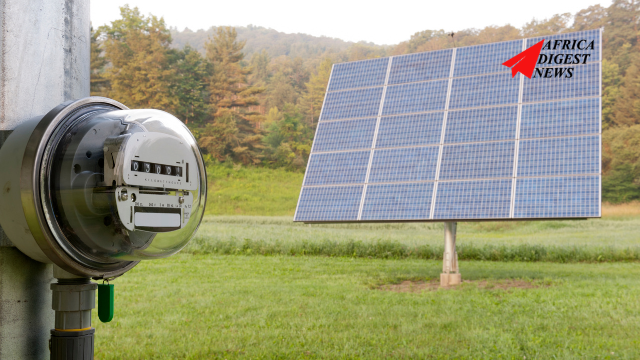
The African Development Bank has approved $66 million for the first 500 MW phase of the Dandara solar project in Egypt, with $46 million from AfDB ordinary resources and $20 million from the Climate Investment Funds’ Clean Technology Fund.
The total project cost is more than $290 million. Once completed, the facility is expected to generate about 1,373 GWh annually and reduce CO₂ emissions by roughly 500,000 tonnes per year, with lifetime reductions of around 12.5 million tonnes.
The project is scheduled to be fully operational in early 2028. This is a 25‑year corporate PPA with a single industrial offtaker, backed by development finance, designed to be replicated across Egypt’s industrial sector.
Dandara is a 1 GW solar PV plant with 200 MWh of battery storage, split into two 500 MW / 100 MWh phases. The first phase will start in Q2 2026 and run for about 15 months until June 2027.
The second phase will extend capacity to 1 GW and 200 MWh. The site spans 2,335 hectares in the Qena governorate, east of the Nagaa Hammadi industrial zone. The battery component will allow renewable energy generated during the day to be supplied during peak evening demand periods, improving reliability and managing solar variability.
Egypt Aluminium Company (EgyptAlum) is the sole offtaker under a 25‑year power purchase agreement. EgyptAlum is one of Africa’s largest aluminium producers and is listed on the Egyptian Stock Exchange.
The project will create around 2,500 jobs during construction, with a focus on opportunities for women and young people, and 23 permanent positions during operations.
The Dandara model is not a tariff‑based, grid‑connected REIPPPP style procurement. It is a structure where:
- A single industrial customer (EgyptAlum) signs a long‑term, take‑or‑pay PPA
- The project is financed with blended development finance (AfDB, CTF, EBRD, EIB, BII)
- The offtaker’s balance sheet and credit provide the revenue security, not the state utility
The project reached “Concept Reviewed” status with EBRD in April 2026, and letters of intent were signed in October 2025 with EBRD, AfDB, and EIB. The battery storage component will allow renewable energy generated during the day to be supplied during peak evening demand, aligning with EgyptAlum’s load profile. This is a cost‑reduction, reliability, and emissions‑reduction project for a heavy industrial customer.