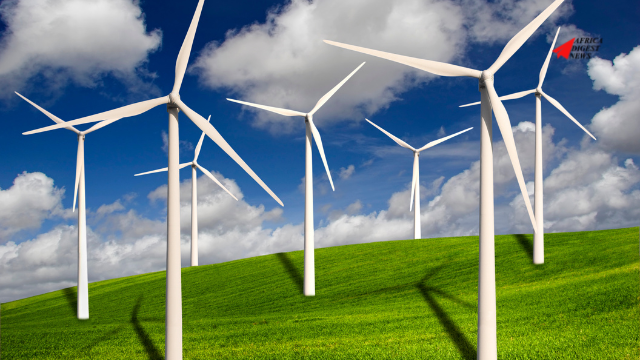
A wind turbine converts moving air into electricity. That sounds simple because it is. The engineering inside a modern wind turbine is sophisticated, but the principle behind it follows the same laws of physics that have powered windmills for centuries.
Wind pushes. The turbine rotates. The generator produces electricity. Everything else exists to make that process safer, more efficient and more reliable.
It All Starts with the Wind
Wind is moving air.
That movement happens because the sun heats the Earth’s surface unevenly. Some areas become warmer than others, creating differences in air pressure. Air naturally moves from high-pressure areas to low-pressure areas, and that movement becomes wind.
A wind turbine captures part of that moving energy before it passes by. Unlike solar panels, which collect sunlight directly, a wind turbine extracts energy from air in motion.
Step 1: The Blades Capture Energy
The large blades are the first point of contact with the wind. Contrary to popular belief, the wind does not simply push against the blades like someone pushing a revolving door. The blades are shaped much like an aircraft wing.
As air flows across them, the pressure becomes lower on one side than the other. That pressure difference creates lift, which pulls the blades around far more effectively than simple pushing would. This aerodynamic lift is what causes the rotor to spin.
This is why modern wind turbines can produce electricity even when the wind feels moderate to people standing below.
Step 2: The Rotor Begins Turning
The blades connect to a central hub. Together, the blades and hub form the rotor. As the blades rotate, the rotor turns with them.
Modern utility-scale turbines usually rotate surprisingly slowly—often between 10 and 20 revolutions per minute. Slow rotation is intentional.
Long blades sweep an enormous area, allowing the turbine to capture large amounts of energy without spinning at extreme speeds.
Step 3: The Shaft Transfers Mechanical Energy
Behind the rotor sits a rotating shaft. Its purpose is straightforward. Carry the mechanical movement from the blades into the turbine’s internal systems.
Some turbines send that rotation through a gearbox. Others use a direct-drive design that connects the rotor directly to the generator. Both systems achieve the same objective. Convert slow mechanical movement into electrical energy.
Read Also: How To Finance A Solar Project
Step 4: The Generator Produces Electricity
The generator is the heart of the turbine. Its job is to transform rotational movement into electricity.
Inside the generator, magnets rotate around coils of copper wire. That movement creates an electrical current through electromagnetic induction—the same physical principle used in hydroelectric dams and conventional power stations.
The difference lies in what turns the generator.
- Coal plants use steam.
- Hydroelectric plants use flowing water.
- Wind turbines use moving air.
The destination remains the same. Electricity enters the power grid.
Step 5: Electricity Travels to the Grid
Electricity produced by the generator cannot immediately power homes or factories. Its voltage must first be increased using a transformer.
Higher voltage allows electricity to travel long distances with lower transmission losses. From there, transmission lines carry power to substations before it is distributed to homes, businesses, hospitals and industrial facilities.
By the time someone switches on a light, they have no indication whether that electricity came from wind, hydro, geothermal or natural gas. The grid combines electricity from multiple sources into one continuous supply.
How the Turbine Faces the Wind
Wind direction changes throughout the day. A turbine that remains stationary would lose significant generating capacity.
Modern turbines solve this using a yaw system. Sensors monitor wind direction continuously. When the wind shifts, electric motors rotate the nacelle—the housing on top of the tower—so the blades face directly into the wind. Facing the wind maximises energy production.
Why the Blades Change Their Angle
Wind speed is never constant. Gentle winds require the blades to capture as much energy as possible.
Strong winds require restraint. Each blade can rotate slightly along its own axis through a mechanism called the pitch system. When wind speeds become dangerously high, the blades change angle to reduce the force acting upon them.
If necessary, they can feather almost completely, slowing or stopping the turbine to prevent damage. This automatic adjustment protects equipment worth millions of dollars while extending the turbine’s operating life.
Why Wind Turbines Stand So Tall
Wind becomes faster and more consistent as height increases. Trees, buildings and terrain create turbulence close to the ground. Raising the rotor well above these obstacles exposes it to steadier wind conditions.
That is why modern wind turbines often exceed 100 metres in tower height, with blade tips reaching even higher. Greater height generally means more electricity generated over the turbine’s lifetime.
A Simple Process with Extraordinary Results
Every modern wind turbine performs the same sequence.
- Wind flows across aerodynamic blades.
- The blades rotate the rotor.
- The rotor turns a shaft.
- The shaft drives a generator.
- The generator produces electricity.
- The electricity enters the grid.
Five mechanical steps convert an invisible force of nature into one of the world’s fastest-growing sources of electricity.
The engineering continues to evolve. Turbines are becoming larger, generators more capable and control systems more precise. The underlying principle, however, remains unchanged. Capture the energy already moving through the atmosphere and put it to work.


